Mandala 3D Layered SVG Cut File-139: A Practical Guide to Integration and Workflow
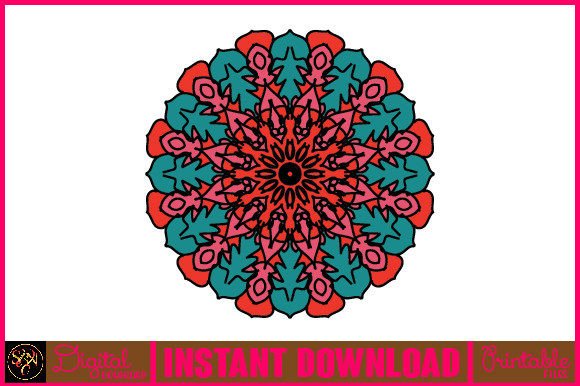
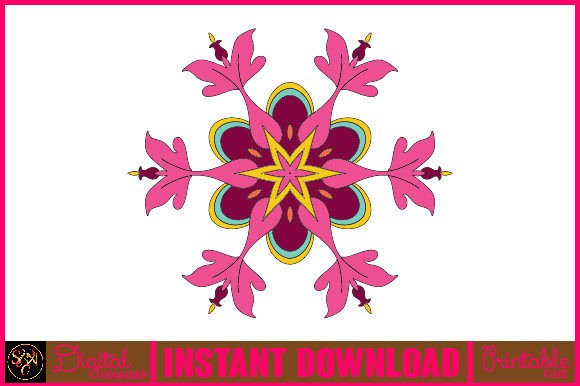
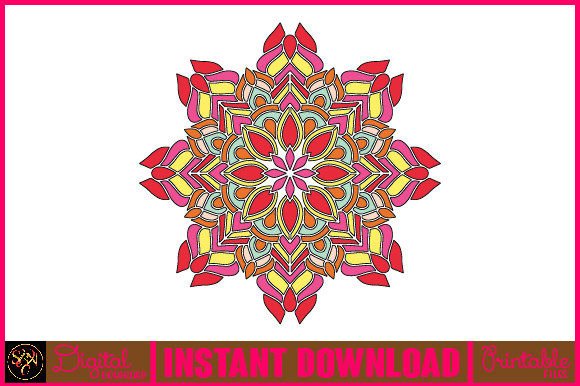
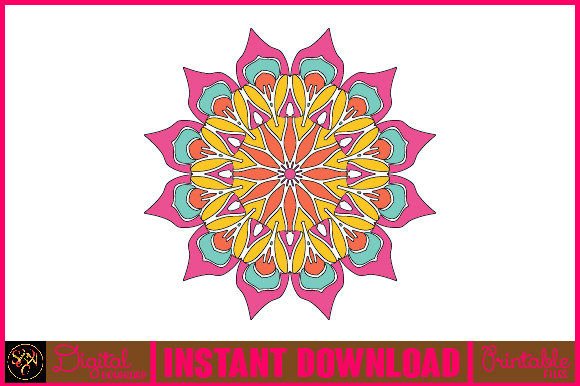
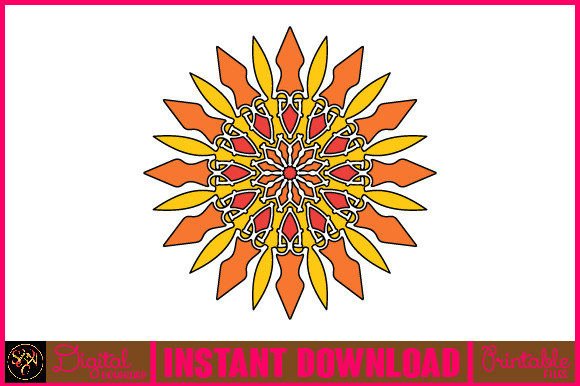
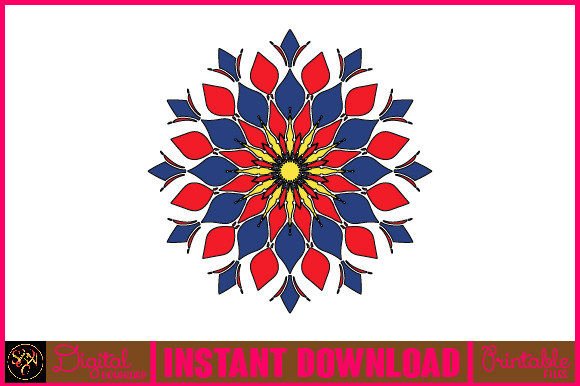
In the landscape of digital design and physical production, the transition from a concept on a screen to a tangible product requires precision, compatibility, and strategic planning. Mandala 3D Layered SVG Cut File-139 represents a specific asset class that bridges high-fidelity visual aesthetics with functional manufacturing requirements. This is not merely a decorative image; it is a structured vector file designed for layered depth, tribal ornamentation, and versatile application across multiple mediums.
For professionals, creators, and small business owners, understanding how to integrate this specific mandala design into existing workflows is crucial. The value of Mandala 3D Layered SVG Cut File-139 lies in its adaptability. Whether you are producing custom apparel, designing social media assets, or creating branded merchandise, the way you handle this file dictates the quality of the final output. This article outlines the practical considerations, technical specifications, and workflow integrations necessary to utilize this asset effectively.
Understanding the Asset Structure and Technical Specifications
Before initiating any creative process, one must understand the tool at hand. Mandala 3D Layered SVG Cut File-139 is provided as part of a comprehensive package intended for instant download. The inclusion of multiple file formats—specifically EPS, SVG, JPG, and PNG—indicates a design philosophy focused on interoperability. Each format serves a distinct role in the production pipeline, and selecting the correct file for the correct task is a fundamental step in maintaining efficiency.
- SVG (Scalable Vector Graphics): This is the primary working file for most digital design tasks. As a vector format, it allows for infinite scaling without loss of resolution. For Mandala 3D Layered SVG Cut File-139, the SVG structure likely contains grouped layers that enable the "3D" effect through overlapping elements. This is critical for cutting machines (such as Cricut or Silhouette) and for precise editing in software like Adobe Illustrator or Inkscape.
- EPS (Encapsulated PostScript): Often used in professional printing environments, the EPS file ensures compatibility with legacy systems and high-end print shops. It preserves vector data while offering broader support for complex color separations if needed for large-scale production runs.
- PNG and JPG: These raster formats serve as preview files or direct-use assets for platforms that do not accept vector inputs. The PNG version typically includes transparency, making it ideal for overlaying designs on t-shirts or digital banners where background removal is required. The JPG serves as a standard reference image for quick visualization.
The "layered" aspect of Mandala 3D Layered SVG Cut File-139 is particularly significant. Unlike flat vector designs, layered files allow designers to manipulate depth, shadow, and perspective independently. This capability transforms a simple two-dimensional graphic into a multi-dimensional object when applied to physical materials like fabric, wood, or vinyl.
Integration into Physical Production Workflows
The most common application for Mandala 3D Layered SVG Cut File-139 is in the realm of print-on-demand and direct-to-garment (DTG) production. However, successful integration requires more than simply uploading the file to a printer. It involves a sequence of preparation, execution, and quality control steps.
Apparel and Textile Applications
When using this mandala for t-shirts, hoodies, or canvas bags, the choice between screen printing, heat transfer vinyl (HTV), and sublimation will dictate how you prepare the file. If utilizing HTV, the layered nature of Mandala 3D Layered SVG Cut File-139 allows for a striking visual effect where different colored vinyls are cut and stacked. This creates a tactile, raised appearance that mimics 3D art.
To execute this workflow efficiently:
- Layer Isolation: Open the SVG file in your design software. Identify the distinct layers that contribute to the 3D effect. Decide which layers will be separate colors and which will remain unified.
- Color Matching: Ensure your material selection matches the intended color palette of the design. Since the design features tribal ornaments and colorful details, accurate color representation is vital for brand consistency.
- Cutting Preparation: Mirror the design if required by your cutting machine settings. Verify that the layer stacking order aligns with your physical assembly plan to avoid misalignment during the weeding process.
For sublimation, the entire layered structure can often be printed as a single composite image if the software supports it, or separated if you wish to create a collage-style print. The high-resolution PNG included in the ZIP file provides a ready-to-print asset for these methods, saving time on vector tracing.
Home Decor and Stationery
Beyond apparel, Mandala 3D Layered SVG Cut File-139 is highly suitable for stationary, posters, and wall art. The intricate tribal patterns lend themselves well to large-format prints where detail visibility is paramount. When preparing files for poster printing, ensure that the DPI (dots per inch) is sufficient for the desired print size. While vectors are resolution-independent, converting them to raster images for proofing should be done at 300 DPI minimum.
For canvas bags and tote bags, the durability of the print is a key consideration. Screen printing may offer the best longevity for bulk orders, while direct-to-film transfers might be preferable for small batches. The versatility of the EPS file allows for easy communication with professional printers who may require specific color profiles (CMYK vs. RGB).
Digital Marketing and Social Media Implementation
In the digital sphere, visual hierarchy and engagement are driven by compelling imagery. Mandala 3D Layered SVG Cut File-139 can serve as a powerful element in social media banners, flyers, and promotional graphics. The "3D" aesthetic adds depth to flat digital interfaces, drawing the user's eye and increasing click-through rates.
When integrating this asset into digital campaigns:
- Background Contrast: Use the transparent PNG version to place the mandala over various backgrounds. Test the design against both light and dark themes to ensure the colorful tribal ornaments remain legible and vibrant.
- Brand Consistency: If this mandala is part of a larger brand identity, ensure that the colors extracted from the design align with your established color palette. This maintains visual coherence across all marketing channels.
- Animation Potential: Because the SVG file retains layer separation, designers can animate individual elements of the mandala. Subtle rotations or opacity changes can bring the static image to life, enhancing engagement on platforms like Instagram Stories or LinkedIn posts.
This approach transforms a static cut file into a dynamic marketing tool. By leveraging the structural integrity of the SVG, marketers can create responsive designs that look crisp on mobile devices and high-resolution desktop monitors alike.
Quality Control and Long-Term Asset Management
Effective project management extends beyond the initial creation. How you store, organize, and update your use of Mandala 3D Layered SVG Cut File-139 impacts long-term productivity. Digital assets should be cataloged systematically to prevent version control issues.
It is advisable to maintain a master folder structure that separates source files (SVG/EPS) from exported assets (PNG/JPG). Label versions clearly, especially if modifications are made to the original mandala design. For instance, if you adjust the color scheme for a seasonal promotion, save this as a distinct variant rather than overwriting the original.
Furthermore, consider the licensing terms associated with Mandala 3D Layered SVG Cut File-139. Even with a commercial license, it is good practice to document usage rights. This protects your business in case of audits and ensures ethical compliance with the creator’s terms. Keeping a record of the download date and the source platform aids in troubleshooting any future technical issues related to file compatibility.
Conclusion on Practical Application
Mandala 3D Layered SVG Cut File-139 is more than a decorative graphic; it is a multifunctional tool that enhances both physical and digital production workflows. Its layered structure offers creative flexibility, while its multiple file formats ensure broad compatibility across various industries. By approaching this asset with a focus on preparation, proper file selection, and systematic organization, creators and businesses can maximize its potential.
Whether you are crafting unique home decor items, launching a new clothing line, or updating your social media presence, the integration of this mandala design can elevate the perceived value of your work. The key lies in treating the file not just as an image, but as a component of a larger, well-planned operational strategy. With careful execution, Mandala 3D Layered SVG Cut File-139 becomes a reliable partner in achieving consistent, high-quality results.