Evaluating Mandala 3D Layered SVG Cut File 23 for Custom Design Projects
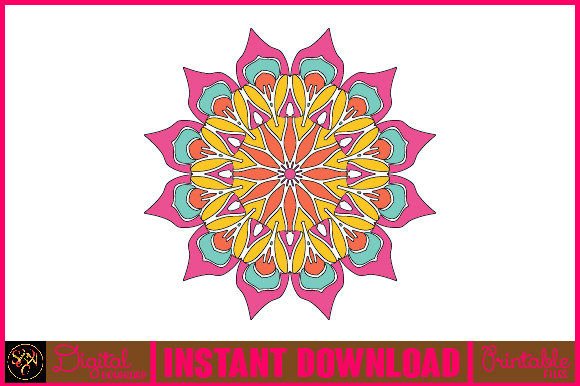
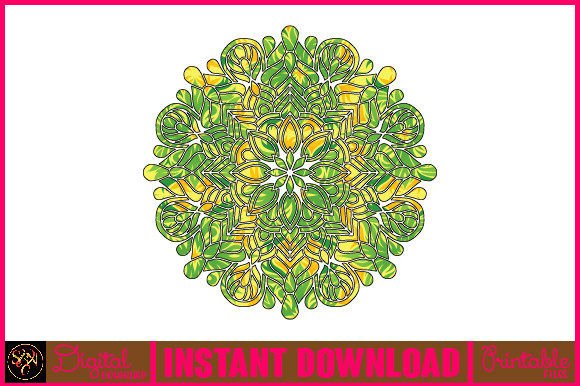
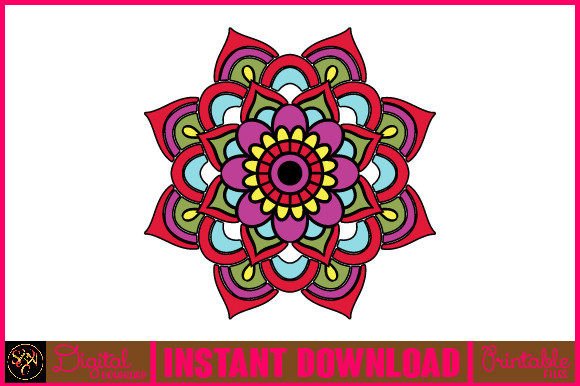
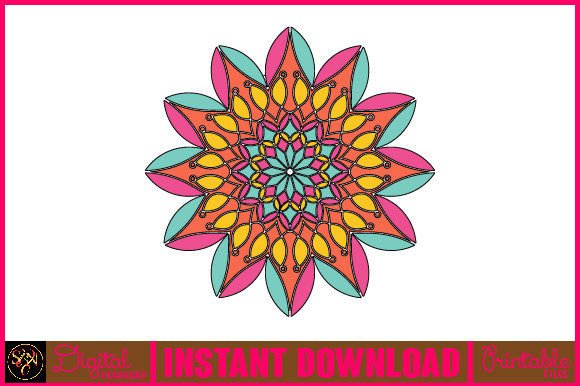
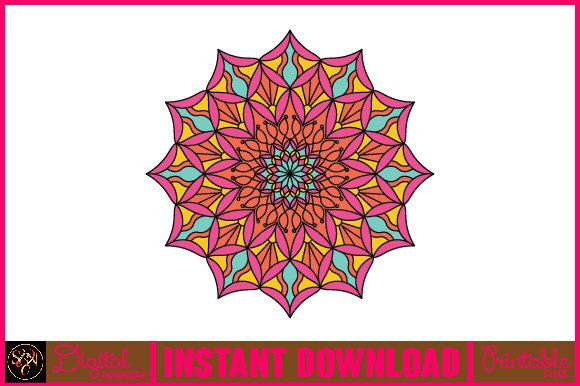
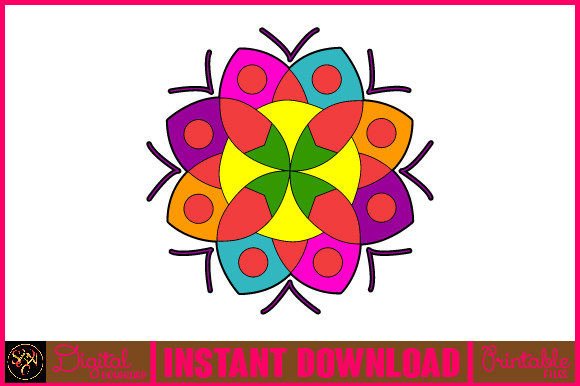
When selecting digital assets for custom printing, sublimation, or vinyl cutting, the distinction between a simple vector and a complex, layered composition is critical. Mandala 3D Layered SVG Cut File 23 represents a specific intersection of artistic detail and technical utility. This asset features a hand-drawn, colorful mandala with tribal ornamentation, designed to offer depth and visual interest without requiring extensive post-processing by the user. For creators in the 20–50 age demographic who are balancing creative ambition with production efficiency, understanding the nuances of this file type is essential before committing to a purchase or integration into a workflow.
This analysis explores the structural characteristics of Mandala 3D Layered SVG Cut File 23, its practical applications across various mediums, and how it compares to standard single-layer vectors or pre-colored raster images. The goal is to provide a clear framework for evaluating whether this specific design fits your current project needs, budget, and technical capabilities.
Understanding the Technical Structure
The core value proposition of Mandala 3D Layered SVG Cut File 23 lies in its layered architecture. Unlike basic SVG files that render as a single flat shape, this file contains multiple distinct layers. In the context of graphic design and cutting machines (such as Cricut or Silhouette), "layered" means that individual components of the mandala—such as the outer tribal borders, inner geometric patterns, and central focal points—are separated into their own editable groups. This separation allows designers to manipulate opacity, apply different colors to specific sections, or remove elements entirely without affecting the integrity of the rest of the design.
The "3D" descriptor in the title typically refers to the visual effect achieved through these layers. By stacking semi-transparent elements or using contrasting color palettes on separate layers, the final output gains a sense of depth and dimensionality that mimics physical layering. This is particularly effective for mandalas, which are inherently symmetrical and repetitive; adding depth prevents the design from looking flat or two-dimensional on merchandise like t-shirts or canvas bags.
Furthermore, the inclusion of a hand-drawn aesthetic combined with tribal ornaments suggests a unique stylistic choice. Hand-drawn lines often possess organic variations that machine-generated geometry lacks, giving the design a more artisanal feel. When paired with the precision of an SVG format, this creates a hybrid product that feels both crafted and professionally produced.
Format Versatility and File Composition
A significant factor in the usability of any digital cut file is the range of formats provided. Mandala 3D Layered SVG Cut File 23 is delivered in a ZIP package containing four distinct file types: one EPS, one SVG, one JPG, and one PNG. Each format serves a specific purpose in the design pipeline, and understanding these distinctions helps users maximize the asset's potential.
- SVG (Scalable Vector Graphics): This is the primary file for cutting machines and vector editing software like Adobe Illustrator or Inkscape. Because it is vector-based, it can be scaled to any size without pixelation, making it ideal for large-format prints on posters or banners. The layered structure within the SVG allows for precise control over cut lines and print areas.
- EPS (Encapsulated PostScript): Similar to SVG, EPS is a vector format but is often preferred in professional printing workflows and older design software. It ensures high-quality reproduction when sending files to commercial printers who may not support modern SVG layer structures.
- PNG (Portable Network Graphics): This raster format includes transparency, allowing the mandala to be placed over any background color without a white box surrounding it. It is useful for quick mockups, social media graphics, or direct upload to platforms that do not accept vector files.
- JPG (Joint Photographic Experts Group): While JPG does not support transparency, it offers broad compatibility. It is suitable for viewing the design at full resolution or for use in programs that cannot interpret vector data.
Having all these formats available reduces friction in the production process. A designer might use the SVG for the actual cutting plotter, the EPS for a professional screen print job, and the PNG for a quick Instagram preview. This comprehensive packaging saves time compared to sourcing similar designs from multiple vendors.
Comparative Analysis: Layered vs. Single-Layer Designs
When comparing Mandala 3D Layered SVG Cut File 23 to simpler alternatives, several tradeoffs become apparent. Single-layer mandalas are generally cheaper and easier to handle, requiring no manipulation in design software. However, they lack the customization potential of layered files. With a single-layer file, you are limited to the colors provided in the original image. If you wish to change the color scheme to match a brand palette, you must manually recolor every segment, which can be tedious for intricate designs.
In contrast, the layered nature of Mandala 3D Layered SVG Cut File 23 allows for rapid customization. Users can swap out tribal accents, adjust the vibrancy of the central motif, or even delete specific layers to create a minimalist version of the same design. This flexibility is a major advantage for businesses producing varied product lines, such as offering the same mandala design in different colorways for seasonal collections.
However, there are limitations. Layered files require a higher level of technical proficiency. Users must understand how to manage layers in their chosen software, ensure that cut lines align correctly across layers, and export settings that preserve transparency. For beginners using basic cutting software, the learning curve may be steeper than with a single-layer file. Additionally, the complexity of the layers can sometimes lead to registration issues if the design is printed on fabric and then cut, as slight shifts in alignment can disrupt the 3D effect.
Practical Applications and Use Cases
The versatility of Mandala 3D Layered SVG Cut File 23 makes it suitable for a wide array of products. Its resolution and scalability allow it to perform well on both small and large items.
Apparel and Textiles
For t-shirts, hoodies, and clothes, the vibrant, hand-drawn style stands out against solid-colored fabrics. The layered approach allows designers to create multi-color prints where each layer corresponds to a different ink color in screen printing or DTG (Direct-to-Garment) printing. On canvas bags, the tribal ornamentation adds a bohemian flair that appeals to specific market segments.
Home Decor and Stationery
Posters and stationary benefit from the high-resolution details of the vector file. When printed on matte paper, the intricate lines of the mandala create a sophisticated look. For home decor, such as framed art or decorative pillows, the 3D effect adds visual weight, making the piece a focal point rather than a background element.
Accessories and Stickers
Stickers are a high-volume product category where this file excels. The clean vector lines ensure crisp edges when cut by vinyl plotters. Users can leverage the individual layers to create die-cut stickers with transparent backgrounds, allowing the sticker to blend seamlessly with whatever surface it is applied to, such as laptops, phones, or notebooks. The ability to isolate specific parts of the mandala also allows for the creation of smaller, simplified sticker versions from the same source file.
Digital Media
Social media banners and flyers require eye-catching visuals that load quickly. The PNG version of this mandala provides a high-impact graphic that retains quality at various screen sizes. The colorful nature of the design draws attention in crowded feeds, while the tribal elements add cultural resonance and aesthetic depth.
Decision Factors: Is This the Right Choice?
Selecting Mandala 3D Layered SVG Cut File 23 depends largely on your intended workflow and end product. It is an excellent choice if you prioritize customization, need high-resolution vectors for large prints, or want to produce multi-color designs efficiently. The inclusion of multiple file formats further supports a professional workflow, reducing the need for external conversion tools.
Conversely, if you are a beginner with limited experience in vector editing software, or if your projects involve simple, single-color cuts where customization is not required, a simpler, single-layer mandala might be more cost-effective and easier to manage. Similarly, if your primary medium is low-resolution digital display only, the complexity of the layered structure may offer diminishing returns compared to a simpler raster image.
Ultimately, the decision hinges on the balance between upfront effort and long-term flexibility. Mandala 3D Layered SVG Cut File 23 offers a robust foundation for creative exploration, providing the tools necessary to adapt a beautiful, hand-drawn aesthetic to a variety of commercial and personal projects. By understanding its strengths in layer management and format versatility, users can make an informed decision that aligns with their technical skills and business goals.