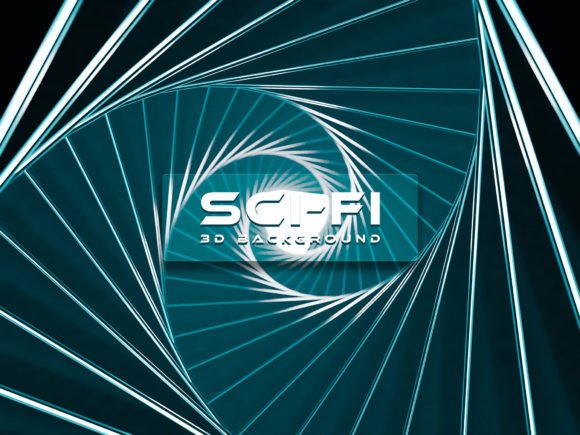
3D Sci-Fi Background
When you are staring at a blank canvas in Photoshop, PowerPoint, or your preferred design software, the pressure to create something that immediately grabs attention can be paralyzing. This is where a high-quality 3D Sci-Fi Background stops being just a pretty picture and starts becoming a strategic asset. It isn't about making everything look like a movie set; it’s about leveraging depth, lighting, and futuristic aesthetics to convey innovation, technology, and forward-thinking energy.
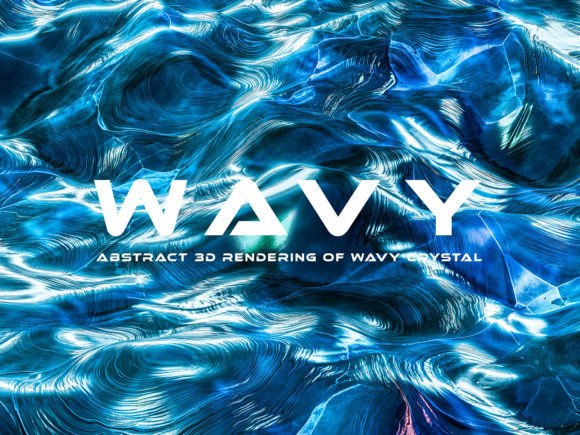
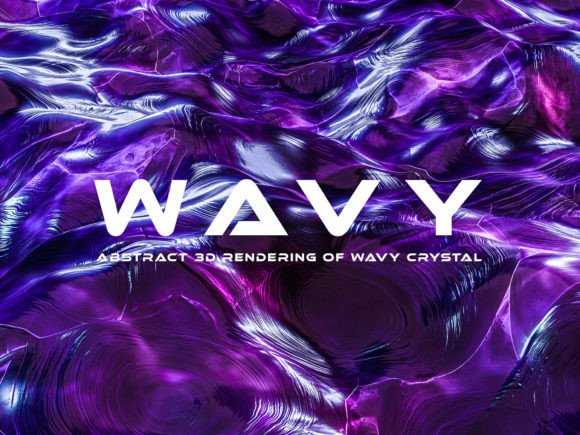
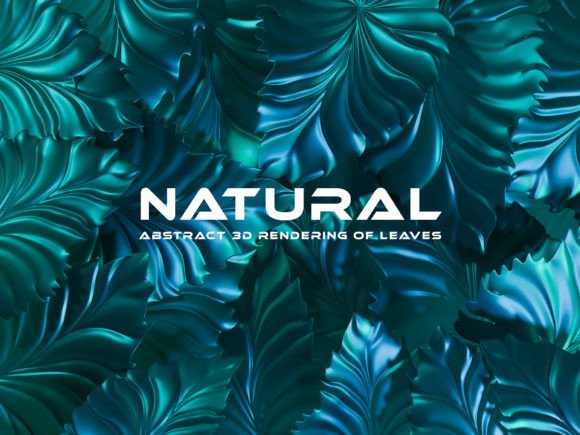
Imagine you have a new app launch, a tech conference presentation, or a sleek product advertisement for a smart home device. The visual language needs to match the functionality: precise, advanced, and immersive. A 3D rendered environment provides that instant context. Whether you are working with a file sized at 6000 x 4000 pixels or scaling down for mobile stories, the underlying geometry and lighting of a true 3D background offer a level of realism and dimensionality that flat vector illustrations simply cannot replicate.
The Power of Depth in Digital Storytelling
Why does this specific aesthetic work so well across so many different mediums? The answer lies in how our brains process spatial information. A 3D scene creates an immediate sense of space. When a user scrolls through a landing page or watches a TV ad, a background with parallax-like qualities—created by layered 3D elements—keeps the eye moving. It adds subconscious sophistication to your project.
For web designers, using a 3D Sci-Fi Background as a hero image or a subtle texture behind text can dramatically increase engagement. It breaks the monotony of white space without overwhelming the content. Think of it as setting the stage. If you are showcasing a cybersecurity solution, a dark, neon-accented 3D environment suggests protection and digital fortresses. If you are promoting a wellness tech gadget, a cleaner, lighter sci-fi palette with soft glows implies health and clarity. The same core asset can be adapted to fit vastly different brand voices depending on color grading and composition.
Real-World Applications Across Industries
The versatility of a 6000 x 4000 px RGB file means it can serve multiple industries simultaneously. Let’s look at how different professionals might utilize this resource in their daily workflows.
Marketing and Advertising Professionals
In the fast-paced world of advertising, time is money. Creating a custom 3D render from scratch can take days or even weeks. Having access to a pre-made, high-resolution 3D Sci-Fi Background allows marketers to produce polished TV ads, banner ads, and social media campaigns in hours rather than weeks. You can overlay your logo, add motion graphics, and export the final video or image quickly. For example, a car manufacturer launching an electric vehicle might use a sleek, metallic sci-fi corridor to frame the car, emphasizing its aerodynamic design and futuristic appeal.
Presentation Designers and Corporate Communicators
We’ve all sat through boring presentations with cluttered slides. Transforming a standard pitch deck into an immersive experience doesn’t require complex animation skills. By using a 3D Sci-Fi Background as the master slide template, you instantly elevate the perceived value of your data. The clean lines and futuristic motifs suggest that your company is on the cutting edge. It works particularly well for quarterly reports, investor pitches, or internal strategy meetings where you want to communicate growth, expansion, and technological advancement.
App and UI/UX Designers
Mobile apps thrive on first impressions. App store screenshots need to pop off the screen. A dynamic 3D background can provide the perfect contrast for interface mockups. Imagine showing a fintech app against a backdrop of abstract, glowing data streams. It visually reinforces the concept of real-time processing and security. Furthermore, these backgrounds are ideal for loading screens or splash pages, where you have only a few seconds to capture the user’s interest before they dive into the main application.
Technical Considerations for Seamless Integration
While the creative possibilities are endless, successful integration requires a bit of technical foresight. Not all backgrounds behave the same way when placed into different projects. Understanding the specifications of your asset is crucial for maintaining quality.
- Resolution and Scalability: A resolution of 6000 x 4000 pixels is substantial. It allows you to crop tightly around specific elements or zoom out for wide panoramic views. However, always ensure your output format matches your final destination. For web use, compressing this high-res file appropriately is key to keeping load times fast. For print materials like large-format posters or banners, the 300 DPI specification ensures that every pixel is crisp and clear, avoiding any blurriness when viewed up close.
- Color Mode (RGB): Since most digital displays operate in RGB, starting with an RGB file is standard practice. However, if you plan to send your design to a professional printer for physical goods, remember that printers often require CMYK. While many modern workflows handle the conversion smoothly, checking the color profile beforehand prevents unexpected shifts in vibrant neon colors or deep blacks.
- Lighting and Shadows: One of the biggest challenges in compositing is matching light sources. If your 3D Sci-Fi Background has strong directional lighting, your foreground elements (like products or logos) should reflect similar lighting conditions. Otherwise, the image will look "stuck on" rather than integrated. Use adjustment layers in your editing software to tweak the exposure and contrast of your foreground objects to match the ambient glow of the background.
Maximizing Versatility Through Adaptation
A static image is powerful, but a adaptable one is invaluable. Don’t limit yourself to using the background exactly as it appears. Experiment with blending modes. Overlaying the 3D scene with a solid color layer set to "Multiply" or "Screen" can unify disparate elements in your design. You can also apply gradients over the top to fade the busy details away where your text sits, ensuring readability remains paramount.
Consider the narrative arc of your project. Does the background tell a story of exploration? Is it a sterile laboratory environment or a chaotic cyberpunk cityscape? Aligning the mood of the 3D Sci-Fi Background with your message is more important than the sheer complexity of the render. Sometimes, a minimalist sci-fi background with ample negative space is far more effective than a dense, detailed scene because it gives your audience room to breathe and focus on your core message.
Final Thoughts on Creative Freedom
Ultimately, the goal of using a 3D Sci-Fi Background is to enhance communication, not distract from it. It serves as a foundation upon which you build your brand’s identity. Whether you are designing a flyer, creating a PowerPoint presentation, or crafting a high-stakes TV commercial, having a robust library of high-quality 3D assets empowers you to experiment freely. It removes the barrier between idea and execution, allowing you to focus on what matters most: connecting with your audience through compelling visual storytelling. So, go ahead and drop that file into your next project. Good luck using the file in your projects—it might just be the missing piece that transforms your work from good to extraordinary.