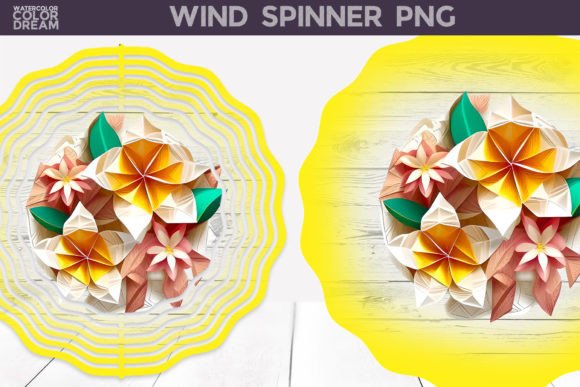
3D Flowers Wind Spinner
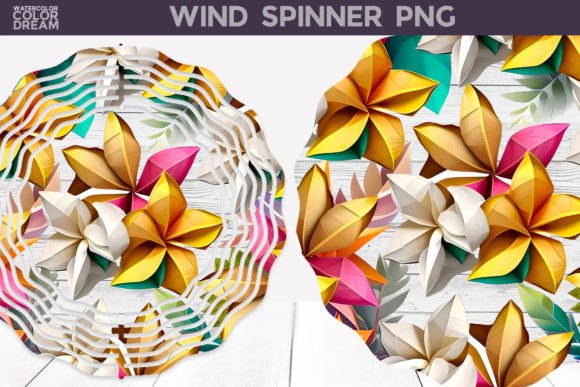
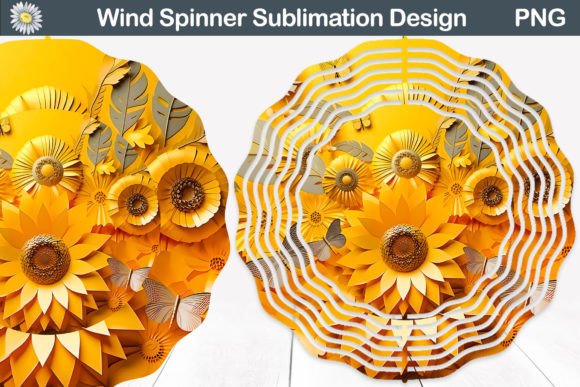
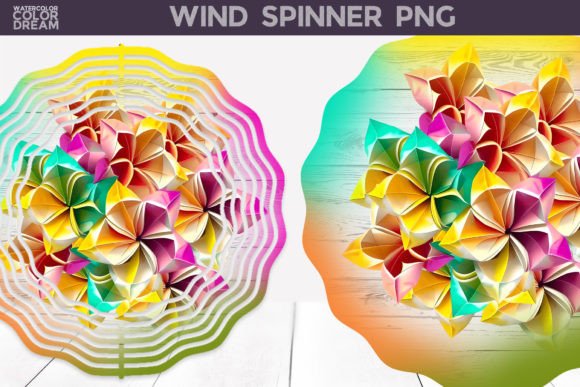
The intersection of digital design and physical craft has never been more vibrant, particularly in the realm of outdoor decor and personalized gifts. At the center of this creative surge is the 3D Flowers Wind Spinner, a product that bridges the gap between static imagery and kinetic art. Unlike traditional wind spinners that rely on simple geometric shapes or flat colors, these designs leverage high-resolution sublimation printing to create a sense of depth and realism that captivates viewers from every angle. For entrepreneurs, hobbyists, and content creators, understanding the nuances of producing these items is not just about following a trend; it is about mastering a specific workflow that demands precision, technical knowledge, and an eye for detail.
Understanding the Medium: Sublimation vs. Traditional Printing
To appreciate the value of a 3D Flowers Wind Spinner, one must first understand the technology behind its creation. The core differentiator here is sublimation. This process involves transferring dye onto materials—typically polymer-coated metal or plastic—using heat and pressure. The result is a print that does not sit on top of the surface like inkjet or screen printing might; instead, the dye becomes part of the material itself. This means the images are fade-resistant, waterproof, and capable of displaying vibrant gradients and intricate details without cracking or peeling over time.
For the creator, this presents both an opportunity and a constraint. Because the image becomes part of the substrate, the source file must be flawless. This is where the distinction between vector formats like SVG and raster formats like PNG becomes critical. Many designers default to vectors because they are scalable, but sublimation often requires high-fidelity raster images to capture the subtle textures of flower petals, shadows, and lighting effects that give the "3D" illusion its power. Consequently, files intended for this application are rarely SVGs. They are high-resolution PNGs designed specifically for direct print or sublimation applications.
The Technical Specifications That Matter
When sourcing or creating assets for a 3D Flowers Wind Spinner, specifications are not merely suggestions; they are requirements for success. A common pitfall for beginners is downloading low-resolution assets and attempting to upscale them, which results in pixelation and blurry edges when printed on large spinner blades. High-quality resources provide detailed metadata to guide the user.
Consider a typical high-end asset package. You might receive a single ZIP archive containing one primary design file. However, the true value lies in the resolution and dimensions provided. For instance, a premium design might come in a PNG format with dimensions of 10,327 x 10,517 pixels. To put this into perspective, at a standard print resolution of 300 DPI (dots per inch), this equates to a physical size of approximately 34 inches by 35 inches. Even if your specific wind spinner template is smaller, such as 3098 x 3155 pixels (roughly 10 inches by 10.5 inches), having a source file with such excess resolution ensures that you can crop, resize, or adjust the composition without losing any sharpness.
- Resolution Integrity: Starting with a 300 DPI file ensures crisp edges, which is vital for the fine details of floral patterns.
- Format Flexibility: While the file is a PNG, its high resolution allows it to be scaled down significantly while maintaining quality.
- Archive Structure: Receiving the asset in a ZIP file protects the integrity of the data and often includes multiple variations or layers, though some creators opt for a single, perfectly composed master file.
Design Versatility and Customization
One of the most compelling aspects of using pre-made sublimation designs for wind spinners is the balance between convenience and customization. These designs are often created with the intention of being used as stand-alone pieces, capturing the aesthetic appeal of summer blooms or seasonal themes immediately. However, their utility extends further when integrated into broader branding or personal projects.
Because the base image is a high-quality raster graphic, it serves as an excellent canvas for additional elements. Creators can overlay text, logos, or graphic accents using design software before sending the final composite to the printer. This is particularly useful for businesses looking to add a personal touch to their merchandise. For example, a garden center might use a 3D Flowers Wind Spinner design as the background and add their company name in a complementary font, creating a branded giveaway item that feels professional and cohesive.
However, this flexibility requires careful planning. The aspect ratio of the wind spinner blade is usually rectangular or square, and the design must be positioned correctly within that frame. If the original design is circular or organic in shape, significant portions of the high-resolution PNG may need to be cropped. This is why starting with a file that is larger than the final print area is advantageous. It provides the "breathing room" needed to experiment with layout without compromising the central focal point of the flowers.
Seasonal Trends and Market Demand
The market for decorative outdoor items is inherently seasonal, and the Summer Wind Spinner variant plays a pivotal role in capitalizing on this rhythm. As temperatures rise and people spend more time outdoors, there is a noticeable shift in consumer behavior toward bright, cheerful, and nature-inspired aesthetics. Floral patterns, especially those rendered with a 3D effect that mimics real botanical life, resonate strongly during the spring and summer months.
This trend is not fleeting; it is part of a broader movement toward biophilic design—the concept of connecting building occupants more closely to nature. In a world where many interactions are digital and indoor, physical objects that bring the beauty of the outdoors into our gardens and patios hold significant emotional value. Wind spinners, with their moving parts and reflective surfaces, amplify this connection by adding motion and light play to the visual experience.
For marketers and sellers, understanding this seasonal cycle is crucial. Inventory planning should align with the lead times required for production. Since sublimation printing is efficient once the setup is complete, businesses can ramp up production quickly as demand peaks in late spring. However, relying solely on generic floral designs may not differentiate a brand in a crowded marketplace. This is where the quality of the source file matters. A design that offers true depth, realistic lighting, and vibrant color saturation will stand out against competitors using flat, two-dimensional prints.
Practical Implications for Creators and Businesses
For professionals and hobbyists alike, integrating 3D Flowers Wind Spinners into a product line requires a shift in mindset from traditional graphic design to print-production awareness. Here are several practical steps to ensure success:
- Template Verification: Before purchasing or downloading a design, always check the dimensions of your specific wind spinner template. Manufacturers vary in their blade sizes. Ensure the source file (e.g., the 3098 x 3155 px version) fits your template’s bleed area and safe zone.
- Color Management: Sublimation colors can appear slightly different on screen versus on the final printed product due to the white base of the spinner blade. Always perform test prints to calibrate your printer profiles and ensure the floral hues match your expectations.
- File Extraction: Never open a ZIP archive directly in a basic image viewer if you plan to edit it. Extract the contents to a dedicated folder to prevent file corruption and to keep your workspace organized. This is especially important if the archive contains multiple resolutions or layered PSD files.
- Quality Control: Inspect the final print under natural light. The "3D" effect relies on contrast and shadow. If the print looks washed out, adjust the contrast and saturation levels in your editing software before the final sublimation pass.
The Future of Personalized Outdoor Decor
As technology advances, the barrier to entry for high-quality custom manufacturing continues to lower. Consumers are increasingly demanding products that reflect their personal style, leading to a boom in niche markets like customized garden decor. The 3D Flowers Wind Spinner represents a perfect storm of accessible technology and aesthetic desire. It allows small business owners to offer premium-looking products without the overhead of designing every pattern from scratch, provided they source high-quality assets.
Furthermore, the sustainability aspect of sublimation cannot be overlooked. The process produces less waste compared to traditional screen printing, which often involves chemical runoff and excess ink disposal. For eco-conscious consumers, this is a selling point that aligns with their values. As the market matures, we can expect to see even greater emphasis on sustainable practices in the crafting industry, making the choice of production method a key differentiator for brands.
Conclusion
The 3D Flowers Wind Spinner is more than just a decorative item; it is a testament to the potential of combining digital precision with tactile craftsmanship. By understanding the technical requirements—such as working with high-resolution PNGs, managing file extraction, and respecting template dimensions—creators can produce stunning results that meet modern consumer expectations. Whether you are a seasoned entrepreneur looking to expand your product range or a hobbyist seeking to add a unique touch to your home, leveraging high-quality sublimation assets offers a reliable path to creating memorable, durable, and beautiful outdoor decor. The key lies in respecting the medium, preparing the files correctly, and allowing the vivid, three-dimensional art to do the talking.